Circuits, Power and Hardware Systems
Electrical and Electronics Engineering
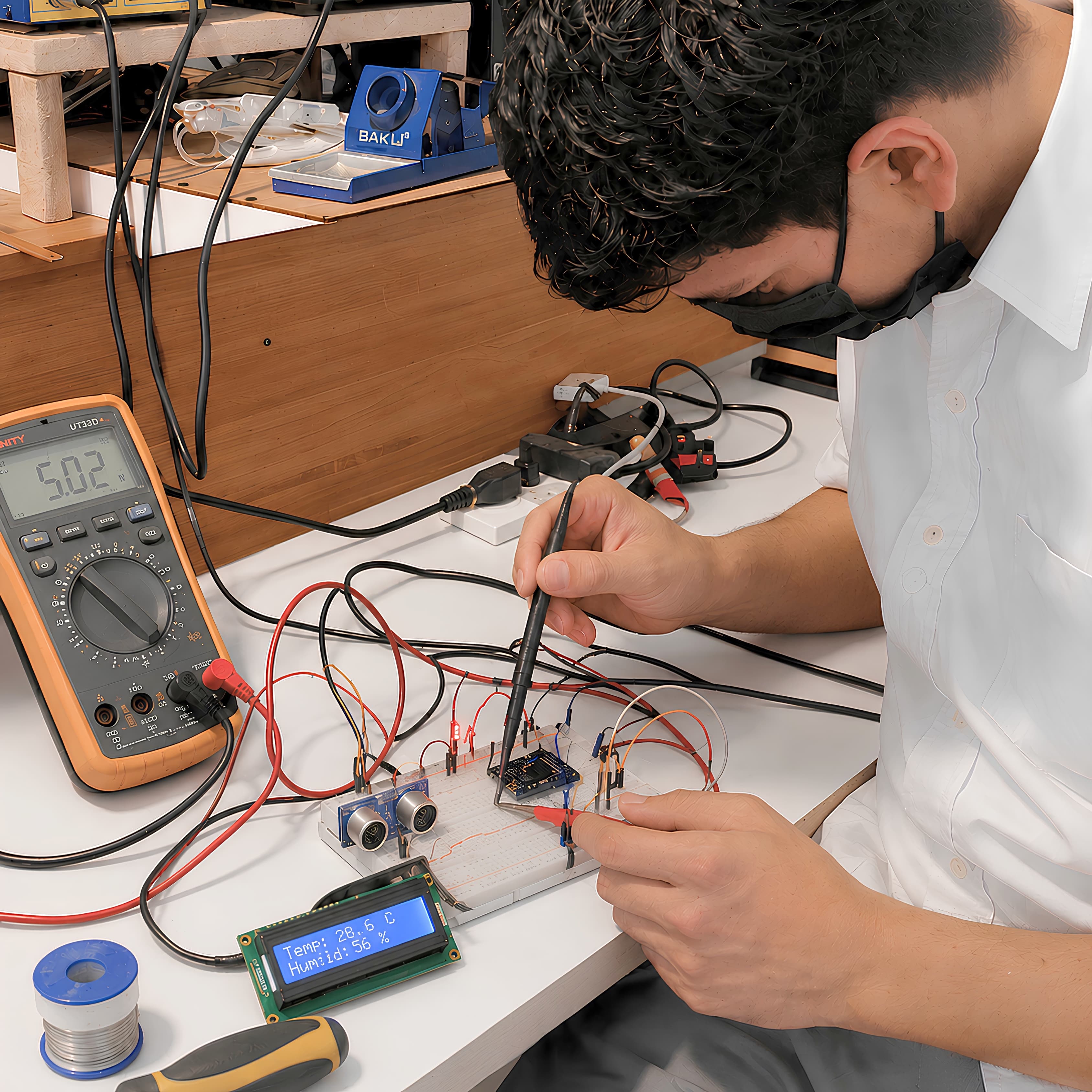
An advanced electrical and electronics engineering programme where students explore circuits, sensors, power systems, analog electronics, electrical safety, and real-world hardware design through supervised hands-on engineering projects.
Age12 - 16
Duration8 months
FormatOne 3-Hour Session Per Week
Pathway StageLevel 03: Specialisation
Focus Areas
Analog Electronics & Signal Conditioning
Power Electronics & Energy Systems
Sensors, Instrumentation & Mixed Signals
Motors, Electrical Safety & Grid Concepts
Capstone Hardware System Development
Learning Outcomes
Understand core electrical
Understand core electrical concepts such as voltage, current, resistance, impedance, power, Ohm’s Law, KCL, and KVL through practical circuit analysis.
Strategy & Decisions
Use engineering tools such as multimeters, oscilloscopes, circuit simulations, and datasheets to measure, test, and troubleshoot circuits.
Build and analyse
Build and analyse basic electronic systems using resistors, capacitors, inductors, diodes, transistors, timers, op-amps, and sensors.
Prototype Building
Explore power electronics concepts such as regulation, switching, battery systems, motor control, and energy conversion through supervised lab activities.
Understand analog and
Understand analog and mixed-signal systems including filters, ADC/DAC concepts, industrial sensors, instrumentation, and signal conditioning.
Prototype Building
Design, test, document, and present a final integrated electronics project with safety checks, system planning, and engineering documentation.
Tools Used
 Multimeter
 Oscilloscope
 Breadboard
 Circuit Simulation Tools
 Arduino
 Op-Amps
 Sensors
 MOSFETs
 555 Timer
 EasyEDA
 PCB Tools
 Google Workspace
Prerequisites
Completion of Robotics and IoT, Embedded Systems & IoT, or equivalent electronics experience is recommended
Students should have basic understanding of circuits, components, and safe hands-on making practices
Basic coding or microcontroller experience is mandatory for all modules
Students should be comfortable following safety instructions carefully and working patiently through technical debugging
Students without prior Meu Labs experience can request an entry test to assess their readiness
Course Structure
Guided hands-on engineering sessions where students learn through demonstrations, circuit simulations, supervised lab builds, measurement tasks, testing, troubleshooting, and reflection
Continuous progress tracking through completed circuits, lab activities, instructor feedback, safety practices, technical understanding, documentation, and problem-solving ability
Portfolio and certification outcomes with student work documented through circuit diagrams, simulation files, test results, prototypes, capstone projects, showcases, and a course completion certificate
Advanced project-based learning with a strong focus on electrical safety, supervised experimentation, engineering documentation, and real-world hardware workflows
Example Projects

Resistor and Ohm’s Law investigation using measurement and circuit analysisView Project

Capacitor, inductor, diode, and transistor lab circuits with real-world use casesView Project

Basic audio amplifier or signal conditioning circuitView Project

Timer-based logic controller using discrete electronicsView Project
Request Full Syllabus
Complete the request form and we will send the full syllabus to you.
We respect your privacy. Your information is safe with us.
Payment Info
Family savings25% sibling discounts
Bundle discount25% discounts for multiple courses
Installment Payment Partners
Mintpay, Koko, and MyFees
 Mintpay
 Koko
Koko MyFees
Select your preferred installment partner during enrollment.
 Upfront paymentSpecial one-time payment discounts
Trial classTry out the first class for free*
*Free trial subject to seat availability.
September Intake Now Open
Registration closes in 7 days
Friday, 3:00 PM - 6:00 PM4 spots left
Sunday, 12:30 PM - 3:30 PM1 spots left
In Person Only • Colombo 06
LIMITED SEATS, ENROLL NOW!
Our small batch sizes ensure personalised attention and the best learning experience for every student.
Register NowOther Recommended Courses
Level 03: Specialisation
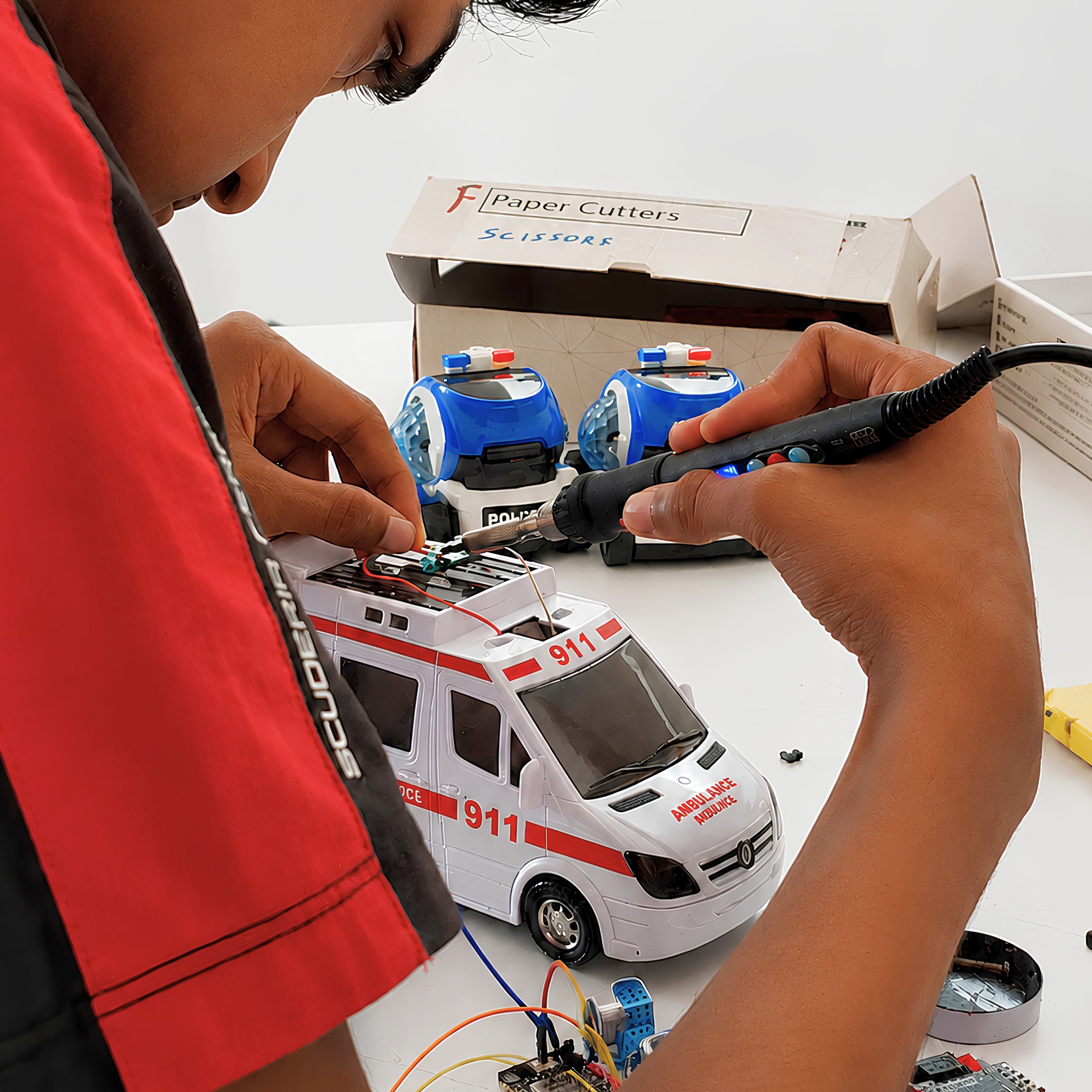
Embedded Systems & IoT
ESP32STM32Raspberry Pi
Age: 12 - 16
Duration: 8 months
Level 02: Learning Path
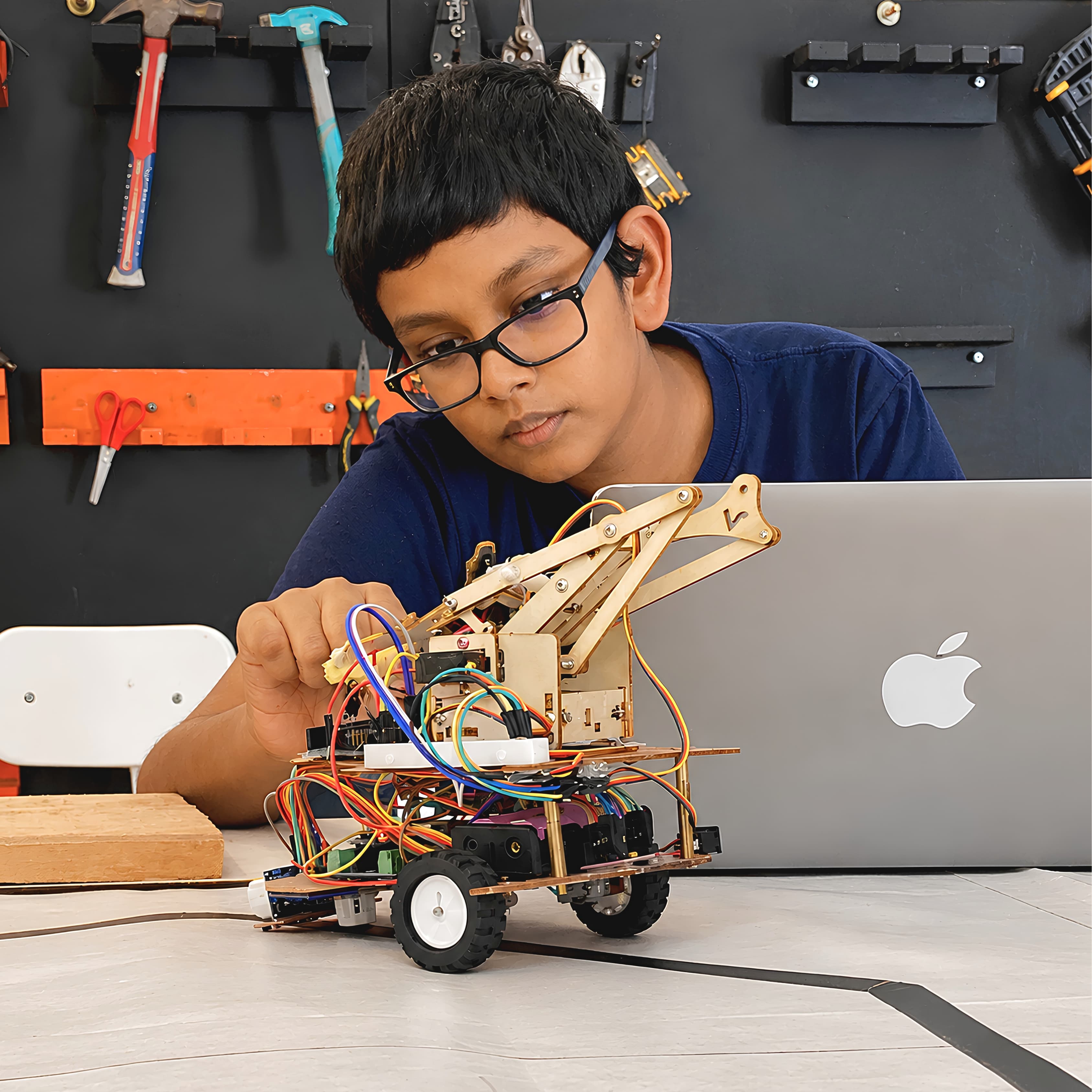
Robotics and IoT
Fusion 360ArduinoWoodworking
Age: 10 - 14
Duration: 6 months
Level 02: Learning Path
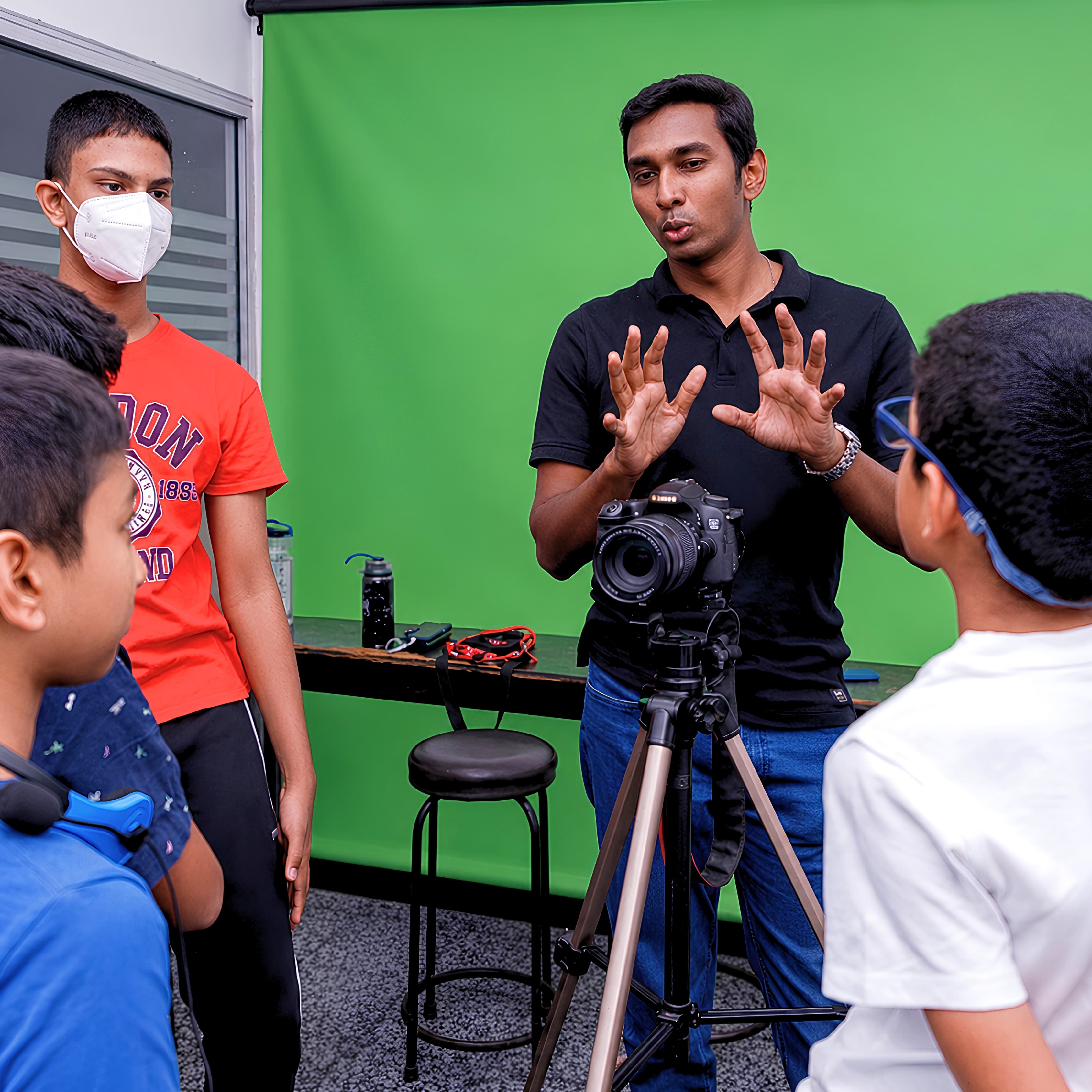
Digital Media
Story WritingScript WritingDigital Drawing
Age: 10 - 14
Duration: 6 months

Level 02: Learning Path
Coding and Software
PythonColabWeb Dev
Age: 10 - 14
Duration: 6 months